
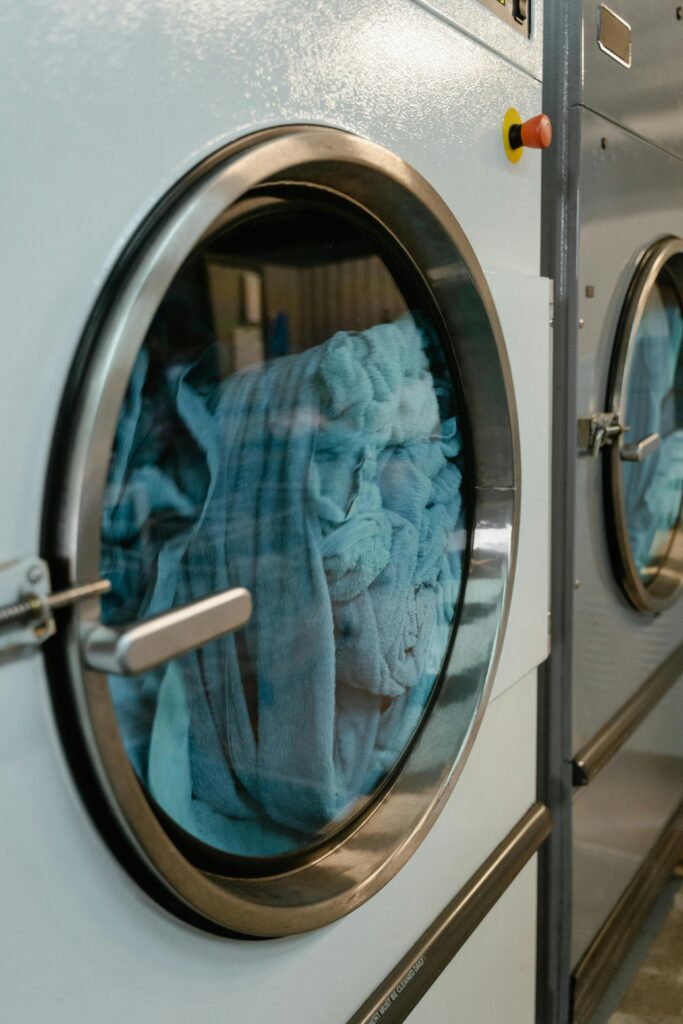
Ultimate Guide to Start a Successful Cleaning Business
Starting a cleaning business can be one of the most profitable and low-risk entrepreneurial ventures available today. With minimal startup costs, flexible working hours, and consistent demand across residential and commercial markets, the cleaning industry offers excellent opportunities for long-term success. Whether you want to run a small solo operation or build a scalable company, this ultimate guide will walk you through every step required to start and grow a successful cleaning business.
1. Understanding the Cleaning Business Industry
The cleaning industry continues to grow steadily due to busy lifestyles, increased awareness of hygiene, and expanding commercial spaces. Cleaning businesses generally fall into two main categories:
-
Residential Cleaning: Homes, apartments, condos, and vacation rentals.
-
Commercial Cleaning: Offices, schools, hospitals, retail stores, warehouses, and industrial facilities.
Residential cleaning is often easier to start, while commercial cleaning contracts usually offer higher and more stable income. Many successful businesses begin with residential clients and expand into commercial services later.
2. Choosing Your Cleaning Niche
Selecting a niche helps you stand out in a competitive market. Instead of offering “everything,” focus on services you can deliver exceptionally well. Popular cleaning niches include:
-
Regular house cleaning
-
Deep cleaning services
-
Move-in/move-out cleaning
-
Office and corporate cleaning
-
Post-construction cleaning
-
Carpet and upholstery cleaning
-
Eco-friendly or green cleaning
-
Specialized sanitation and disinfection services
Choosing a niche allows you to target specific customers, refine your pricing strategy, and market your services more effectively.
3. Creating a Business Plan
A solid business plan acts as your roadmap to success. Even if you are starting small, having a clear plan helps you avoid costly mistakes. Your cleaning business plan should include:
-
Business name and structure
-
Target market and niche
-
Services offered
-
Startup and operating costs
-
Pricing strategy
-
Marketing and sales plan
-
Short-term and long-term goals
A well-prepared business plan is also essential if you plan to seek financing or partnerships in the future.
4. Legal Requirements and Business Registration
Before accepting clients, ensure your business complies with local laws and regulations. Key legal steps include:
-
Registering your business name
-
Choosing a legal structure (sole proprietorship, LLC, or corporation)
-
Obtaining required licenses and permits
-
Applying for tax identification numbers
-
Opening a business bank account
You should also invest in liability insurance and bonding, which protects you against property damage, accidents, or theft claims. Many clients will only hire insured cleaning businesses, especially for commercial contracts.
5. Equipment and Cleaning Supplies
One of the biggest advantages of a cleaning business is the low startup cost. Basic equipment includes:
-
Vacuum cleaners and mops
-
Buckets and microfiber cloths
-
Cleaning chemicals and disinfectants
-
Protective gloves and masks
-
Trash bags and paper towels
As your business grows, you may invest in advanced equipment such as floor polishers, carpet cleaners, and pressure washers. Using high-quality and eco-friendly products can improve results and attract environmentally conscious clients.
6. Pricing Your Cleaning Services
Pricing can make or break your cleaning business. Set prices that are competitive yet profitable. Common pricing methods include:
-
Hourly rates
-
Flat-rate pricing per job
-
Square-foot pricing for commercial spaces
-
Package deals for recurring clients
When setting prices, consider labor costs, supply expenses, travel time, and overhead costs. Research competitors in your area to ensure your rates align with market expectations. Offering transparent pricing builds trust and reduces client disputes.
7. Hiring and Training Staff
If you plan to scale beyond a solo operation, hiring reliable staff is crucial. Look for employees who are:
-
Trustworthy and detail-oriented
-
Physically capable of cleaning tasks
-
Punctual and professional
-
Willing to learn and follow procedures
Provide proper training on cleaning techniques, safety protocols, customer service, and time management. Consistent training ensures service quality and helps build a strong reputation for your brand.
8. Marketing Your Cleaning Business
Marketing is essential for attracting and retaining clients. A combination of online and offline strategies works best.
Online Marketing Strategies:
-
Create a professional website with service pages and contact forms
-
Optimize your site for local SEO
-
List your business on Google Business Profile
-
Use social media platforms to showcase before-and-after photos
-
Encourage customer reviews and testimonials
Offline Marketing Strategies:
-
Distribute flyers and business cards
-
Network with real estate agents and property managers
-
Offer referral discounts
-
Partner with local businesses
Consistency in branding and messaging helps your business appear professional and trustworthy.
9. Delivering Excellent Customer Service
Customer satisfaction is the foundation of a successful cleaning business. Happy clients lead to repeat business and referrals. Focus on:
-
Clear communication
-
Punctuality and reliability
-
Attention to detail
-
Quick response to complaints or feedback
-
Customizing services to client needs
Implementing a quality-check system ensures that every job meets your standards. Exceptional service turns one-time customers into long-term clients.
10. Managing Finances and Operations
Proper financial management keeps your business profitable. Track income and expenses carefully, and separate personal and business finances. Key practices include:
-
Using accounting software
-
Creating monthly budgets
-
Monitoring cash flow
-
Setting aside funds for taxes
-
Reinvesting profits into growth
Operational efficiency improves productivity and reduces costs. Scheduling software, route optimization, and inventory tracking can save time and money.
11. Scaling and Growing Your Cleaning Business
Once your cleaning business is stable, you can focus on growth. Expansion strategies include:
-
Hiring additional staff
-
Offering new services
-
Targeting commercial contracts
-
Expanding to new locations
-
Franchising your brand
Growth should be strategic and sustainable. Scaling too quickly without proper systems can lead to quality issues and customer dissatisfaction.
12. Common Mistakes to Avoid
Avoiding common pitfalls increases your chances of success. Some mistakes to watch out for include:
-
Underpricing services
-
Neglecting insurance
-
Poor hiring decisions
-
Inconsistent service quality
-
Weak marketing efforts
Learning from these mistakes early can save you time, money, and stress.
Conclusion
Starting a successful cleaning business requires careful planning, dedication, and consistent effort. With low startup costs, flexible operations, and growing demand, the cleaning industry offers excellent opportunities for aspiring entrepreneurs. By choosing the right niche, delivering high-quality service, and implementing effective marketing strategies, you can build a profitable and sustainable cleaning business.
Whether you start small or aim for large-scale growth, success in the cleaning business comes down to professionalism, reliability, and customer satisfaction. Follow this ultimate guide, stay committed, and your cleaning business can thrive for years to come.
I Wish you many success in your cleaning business journey, you can live a comment if you have any question.